As Home construction timeline takes center stage, this opening passage beckons readers into a world crafted with good knowledge, ensuring a reading experience that is both absorbing and distinctly original.
This timeline is crucial for anyone involved in building a home, as it Artikels the various phases from planning and design to completion. Understanding these phases not only helps in setting realistic expectations but also allows homeowners and contractors to manage their time and resources effectively.
Understanding Home Construction Timeline
The home construction timeline is a critical aspect of any building project. It Artikels the various phases involved in turning a blueprint into a livable space. From planning to completion, each phase plays a significant role in ensuring the project stays on track, within budget, and meets the desired quality standards.A typical home construction timeline consists of several key phases, each with its own set of tasks and considerations.
Understanding these phases helps homeowners set realistic expectations and enables builders to allocate resources effectively. Various factors can influence the duration of each phase, including weather conditions, supply chain issues, and regulatory approvals.
Phases of Home Construction
The home construction process generally involves the following phases:
Pre-Construction Planning
This initial phase includes site selection, design, securing permits, and finalizing budgets. It typically lasts from a few weeks to several months, depending on the complexity of the project. Key tasks include working with architects and designers to create the building plans.
Site Preparation
Once planning is complete, the site is cleared and prepared for construction. This phase can take anywhere from a couple of days to several weeks, depending on the landscape and any necessary excavation work. Necessary tasks include grading the land and ensuring appropriate drainage.
Foundation Work
The foundation is crucial for any home. This phase involves pouring the concrete and can take several days to weeks, influenced by weather and curing times. A well-constructed foundation ensures the longevity and stability of the home. – Framing After the foundation is set, the framing begins and usually lasts between several weeks to a couple of months.
This phase includes constructing the skeleton of the house, including walls, floors, and roof systems.
Mechanical, Electrical, and Plumbing (MEP) Installation
This phase involves the installation of critical systems and can take a few weeks. Proper installation is essential for the home’s functionality and compliance with building codes.
Interior and Exterior Finishes
Finishing touches bring the home to life. This phase can extend from a few weeks to several months, depending on the complexity of the design and the materials chosen. Tasks include painting, flooring, and installing fixtures.
Final Inspection and Handover
The last phase includes a final inspection by local authorities to ensure compliance with regulations. This can take a few days to a couple of weeks. Once approved, the keys are handed over to the new homeowners.
Factors Affecting Construction Duration
Several factors can impact the timeline of a home construction project, making it essential to be aware of them:
Weather Conditions
Adverse weather can cause delays, particularly during site preparation and foundation work. For instance, heavy rain or snow can halt construction activities.
Material Availability
Supply chain disruptions can lead to delays in obtaining necessary materials. For example, shortages of lumber or steel can push back framing and finishing phases.
Labor Availability
The availability of skilled labor can affect the speed of construction. A shortage of workers can slow down progress, especially during peak building seasons.
Regulatory Approvals
Delays in obtaining building permits or inspections can prolong the timeline significantly. Homeowners should factor in local government processing times.
Design Changes
Modifications to the original design during construction can lead to rework and delays. Homeowners should finalize their plans before breaking ground to avoid these issues.
Detailed Schedule of Key Milestones
A detailed schedule helps in tracking progress and ensuring that all parties are on the same page throughout the construction journey. Below is a sample timeline outlining key milestones from planning to completion:| Milestone | Estimated Duration ||——————————-|————————–|| Initial Planning | 2 – 6 months || Site Preparation | 1 – 3 weeks || Foundation Installation | 1 – 3 weeks || Framing | 4 – 8 weeks || MEP Installation | 2 – 4 weeks || Interior and Exterior Finishing | 4 – 12 weeks || Final Inspection | 1 – 2 weeks || Total Estimated Timeline | 6 – 12 months |This schedule serves as a general guideline.
Each project may vary, and adjustments are often necessary based on the unique circumstances surrounding each construction endeavor. Keeping all stakeholders informed and maintaining flexibility can significantly enhance the overall efficiency and satisfaction with the home-building experience.
Branding Business in Home Construction
Branding in the home construction industry is more than just a logo or a catchy slogan; it’s about creating a distinctive identity that resonates with clients and stands out in a competitive market. A strong brand communicates trust, quality, and professionalism, essential traits for customers investing in their homes. Effective branding can lead to increased visibility, customer loyalty, and ultimately, business growth.Building a robust brand identity in the construction sector involves several strategic elements that align with customer expectations and industry standards.
The construction market is crowded, making it crucial to differentiate your services and establish a memorable presence. Essential elements of a strong brand identity include clarity in messaging, visual consistency, and an emotional connection with your audience.
Strategies for Effective Branding
Developing a branding strategy involves multiple facets that contribute to a meaningful connection with your target market. The following points highlight critical strategies for effectively branding your home construction business:
- Define Your Unique Selling Proposition (USP): Clearly articulate what makes your construction services distinct from competitors. Whether it’s eco-friendly building practices, custom designs, or exceptional customer service, your USP should be the cornerstone of your brand messaging.
- Create a Professional Visual Identity: Invest in a professional logo, a cohesive color scheme, and consistent typography. These visual elements should reflect your brand’s personality and resonate with your intended audience.
- Develop a Strong Online Presence: A well-designed website and active social media profiles are essential. Showcase your projects, share client testimonials, and provide valuable content that positions your brand as an industry leader.
- Leverage Customer Testimonials and Case Studies: Positive feedback from satisfied clients serves as powerful marketing tools. Highlight these testimonials on your website and social media platforms to build credibility and trust.
Essential Elements of Brand Identity
A strong brand identity encompasses several crucial elements that define how your construction business is perceived in the industry. These elements work in synergy to create a cohesive brand experience for your customers:
- Brand Values: Your values should align with the expectations of your target market. Whether you prioritize sustainability, craftsmanship, or innovation, these values will guide your branding efforts.
- Consistent Messaging: Ensure that your brand’s messaging is uniform across all channels. This includes your website, marketing materials, and social media, creating a recognizable and trustworthy image.
- Emotional Connection: Successful brands evoke emotions that resonate with their audience. Craft stories around your projects that speak to your clients’ aspirations, enhancing their emotional investment in your brand.
- Visual Consistency: Use consistent visuals in all marketing materials to enhance brand recognition. This includes color palettes, logos, and graphic styles that reflect your identity.
Building and Maintaining Customer Trust
Trust is paramount in the construction industry, where clients invest significant resources in their homes. Building and maintaining trust through branding involves several strategies:
- Transparency in Communication: Keep clients informed throughout the construction process. Regular updates about progress, challenges, and timelines help reinforce trust and reliability.
- Delivering on Promises: Consistently meeting deadlines and delivering quality work as promised fosters trust. Reliability enhances your reputation and encourages referrals.
- Engaging with the Community: Participate in local events and support community initiatives. This not only strengthens your brand but also builds goodwill and trust within your community.
- Providing Exceptional Customer Service: A responsive and helpful customer service experience can turn a one-time client into a loyal advocate for your brand. Address inquiries and concerns promptly to show you value their business.
Financial Considerations in Home Construction
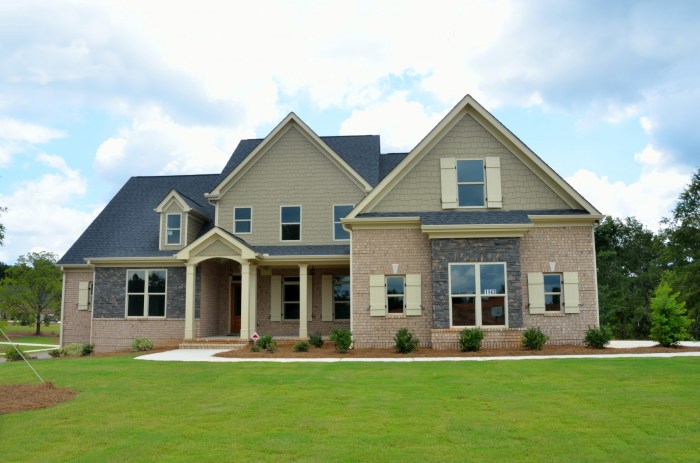
Budgeting is a crucial aspect of any home construction project, as it sets the financial framework for the entire endeavor. Proper financial planning enables homeowners and contractors to allocate resources efficiently, minimize waste, and ultimately achieve the desired quality without breaking the bank. Understanding financial considerations not only aids in project execution but also helps in navigating potential challenges along the way.
Budgeting Techniques for Home Construction Projects
Effective budgeting techniques are essential for ensuring that a home construction project stays within its financial limits. Developing a realistic budget involves several key strategies that can help avoid unexpected costs.
- Detailed Cost Estimation: Begin with a comprehensive breakdown of all expected expenses, including materials, labor, permits, and unexpected contingencies. This detailed estimation serves as a solid foundation for your budget.
- Contingency Fund: Set aside at least 10-15% of your total budget as a contingency fund. This amount can absorb unexpected costs that may arise during the construction process.
- Regular Budget Reviews: Schedule regular budget reviews throughout the project. This practice allows for real-time adjustments and helps keep financial goals in check.
- Comparative Shopping: Obtain multiple bids from contractors and suppliers. This approach not only fosters competitive pricing but also provides insights into standard market rates for materials and services.
Importance of Business Accounting in Managing Construction Expenses
Effective business accounting plays a pivotal role in managing construction expenses, ensuring that a project remains financially viable. Accurate record-keeping and monitoring of expenses are fundamental to maintaining financial health.
- Track Expenses: Implement an efficient accounting system to categorize and track all expenses related to the construction project. This visibility helps identify areas where costs may run over budget.
- Cash Flow Management: Maintain a keen eye on cash flow by forecasting income and expenses. A positive cash flow ensures that funds are available when needed, avoiding delays in construction.
- Financial Reporting: Regular financial reports provide insights into the project’s financial status. These reports can highlight trends, variances, and potential issues, allowing for timely rectifications.
- Tax Implications: Understanding the tax implications of construction expenses allows for better financial planning and can lead to significant savings. Consulting a tax professional can provide clarity on applicable deductions and credits.
Effective Advertising Strategies for Attracting Clients
Attracting clients in the competitive construction industry requires innovative advertising strategies that stand out. Effective marketing not only brings in new business but also helps build a strong brand reputation.
- Online Presence: Develop a professional website that showcases previous projects, testimonials, and services offered. A well-designed website enhances credibility and serves as a vital business tool.
- Social Media Marketing: Utilize platforms like Instagram, Facebook, and Pinterest to showcase stunning visuals of completed projects. Engaging content can attract potential clients and foster community interaction.
- Networking and Referrals: Building relationships with real estate agents, architects, and previous clients can lead to valuable referrals. Participating in local home shows or community events also enhances visibility.
- Content Marketing: Provide valuable content through blogs or articles that educate potential clients on home construction processes, budgeting tips, or trends. This positions your business as an industry authority.
“A well-planned budget and effective financial management are the cornerstones of successful home construction projects.”
Summary
In summary, navigating the complexities of a home construction timeline can be a rewarding experience when approached with the right knowledge and strategies. By understanding the phases and factors involved, along with proper branding and financial management, you can ensure a smoother construction journey that leads to your dream home.
FAQ Summary
How long does a typical home construction take?
A typical home construction can take anywhere from 6 months to over a year, depending on various factors such as the size of the home and weather conditions.
What are some common delays in home construction?
Common delays may include weather issues, permit approvals, labor shortages, and material availability.
How can I keep my construction project on schedule?
Regular communication with contractors, setting realistic timelines, and monitoring progress frequently can help keep your project on schedule.
What is the importance of a detailed construction schedule?
A detailed schedule helps track progress, manage resources efficiently, and communicate effectively with all parties involved in the construction process.
Can I make changes to the design during construction?
While it is possible to make changes, it is essential to understand that this can lead to delays and additional costs, so it’s best to finalize designs beforehand.